Learn Predictive Analysis
Game Theory explains how rational actors choose moves when each side responds to the other, while Predictive Analysis estimates the most likely next moves from data and patterns. “Playing global chess” is a metaphor for geopolitics or business: you anticipate opponents, weigh trade-offs, and position resources several moves ahead. Together, they form a strategy loop: game theory maps the incentives, predictive analysis forecasts behavior, and global chess turns both into long-range, real-world positioning.
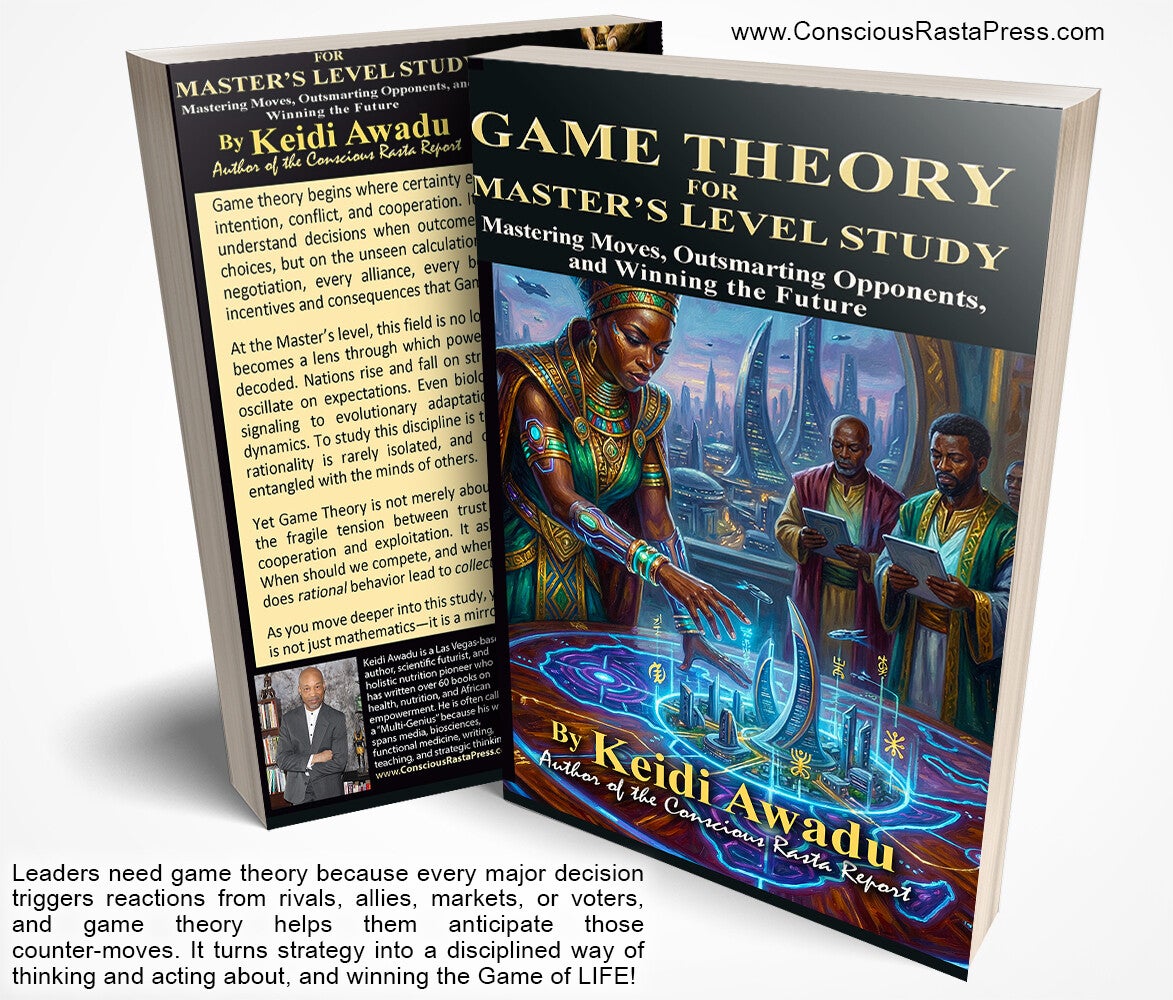
Did you know about Game Theory?
Join the Friday class for Game Theory
Leaders need game theory because every major decision triggers reactions from rivals, allies, markets, or voters, and game theory helps them anticipate those counter-moves. It turns strategy into a disciplined way of thinking about incentives, payoffs, and likely responses, rather than relying on instinct alone. That matters in business, politics, diplomacy, and conflict, where the best move is often the one that shapes the next several moves.
Click here to purchase your paperback copy of GAME THEORY
Click here to get the eBook from the CRP
Click here to get the book from Amazon in Kindle, or paperback / Get the audiobook today
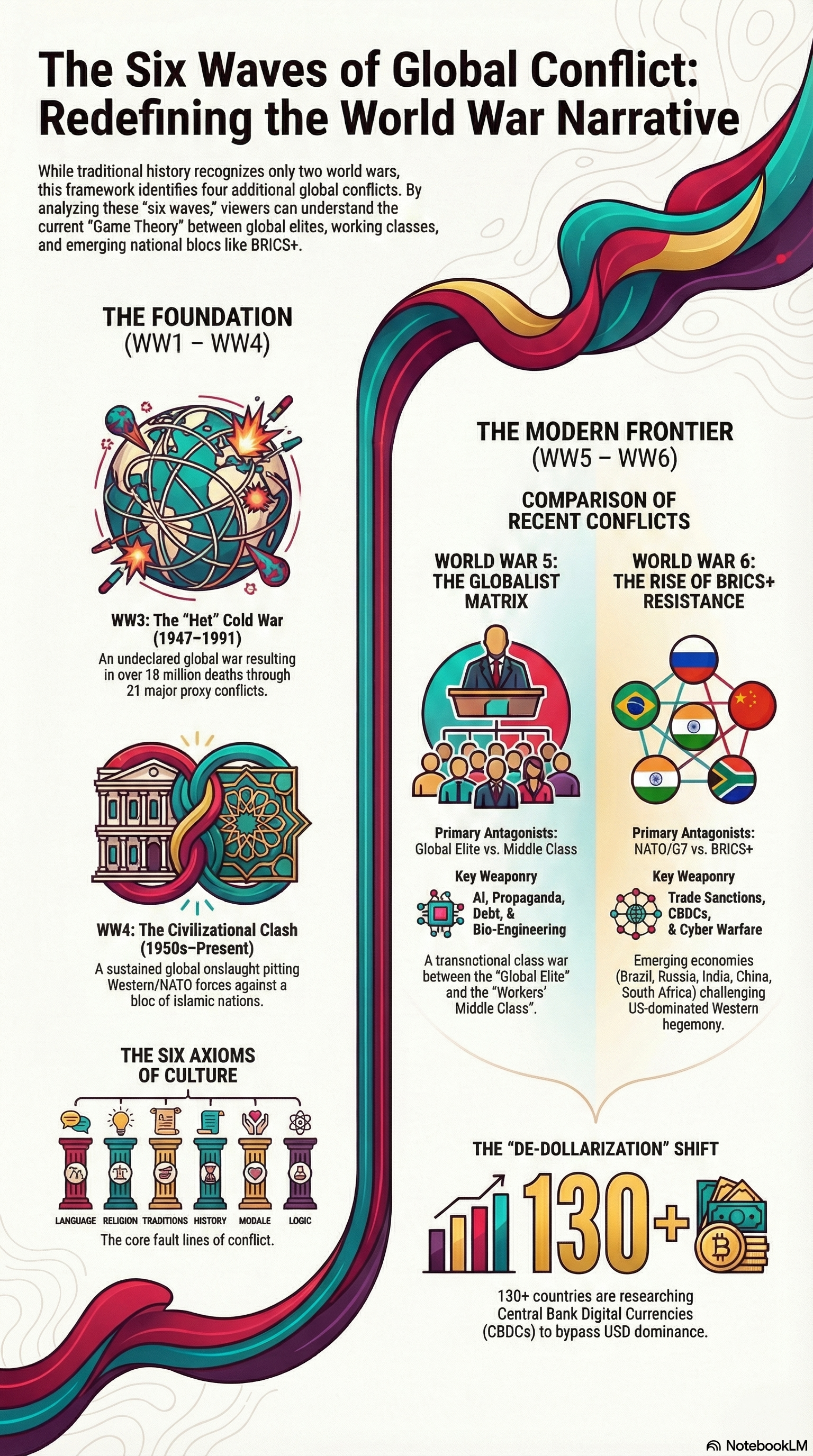
This is a different classroom experience
Keidi will teach game theory as a living strategy system, blending text, images, audio, and video to make each move, motive, and consequence easy to grasp. His style can pair written frameworks with visual maps of power, narrated examples, short video breakdowns, and audio discussions that help learners hear how incentives shape behavior.
That multimodal approach makes abstract ideas feel practical, memorable, and real, especially when showing how leaders think several moves ahead. It also fits his broader educator persona as a writer, broadcaster, and scientific futurist focused on forecasting, strategy, and nation-building.

The Companion Book
“Disaster Preparedness for World Wars 5 and 6” treats global conflict as a high‑stakes strategic game in which players—states, blocs, and leaders—anticipate each other’s moves amid uncertainty. It shows how game theory shapes preparedness: choices about alliances, sanctions, and escalation are less about reflex and more about payoff, deterrence, and mutual fear of worst‑case outcomes. (Get the book in an audible form.)
This book is a companion included with our study course. Join today and begin your journey to mastering Predictive Analysis.